
In my AP US History class, I facilitated a seminar discussion about the effects of WWII on the U.S. homefront. The seminar was carefully structured into three rounds, each with a specific question. We were on Round 2 when a student brought up a point that was better suited for Round 3. She wanted to talk about women returning to jobs after WWII, which I was hoping we would discuss in the section about long-term impacts of the war. If other students started to comment on this point, it would have moved us along before we had a chance to fully discuss the question for Round 2. For this reason, I was conflicted about whether to redirect the conversation or let other students respond. It was important to me to stick to the structure of the discussion that I had spent a lot of time planning, particularly because there was a lot of content that I wanted to cover in each round. However, I did not want to stop the flow of discussion or lose the momentum.
-
Margarita
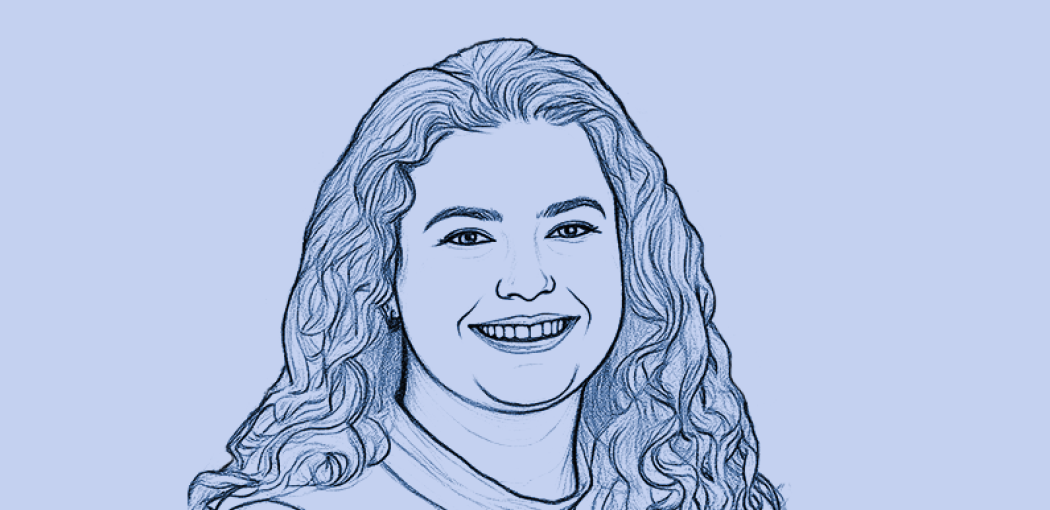
10th Grade
US History
First Year Teaching
- What is the teacher's dilemma? Consider the teacher's goals, possible actions, beliefs about the situation and the students, and their own self-perceptions.
- Complete or modify the following sentence in a way that captures the teacher's central tension in the situation: "While on the one hand, the teacher believed/wanted/felt/did __________, on the other hand, they believed/wanted/felt/did __________."
- Thinking about your own classroom, how do you navigate the tension between maintaining your planned structure of the discussion and honoring students’ agency in the moment?